Your Routes Change
After Cutoff.
So Does Parcelarc.
30-second re-sequencing for regional parcel carriers when addresses change, drivers call off, or volume shifts at the last minute. No manual dispatch. No cascading delays.
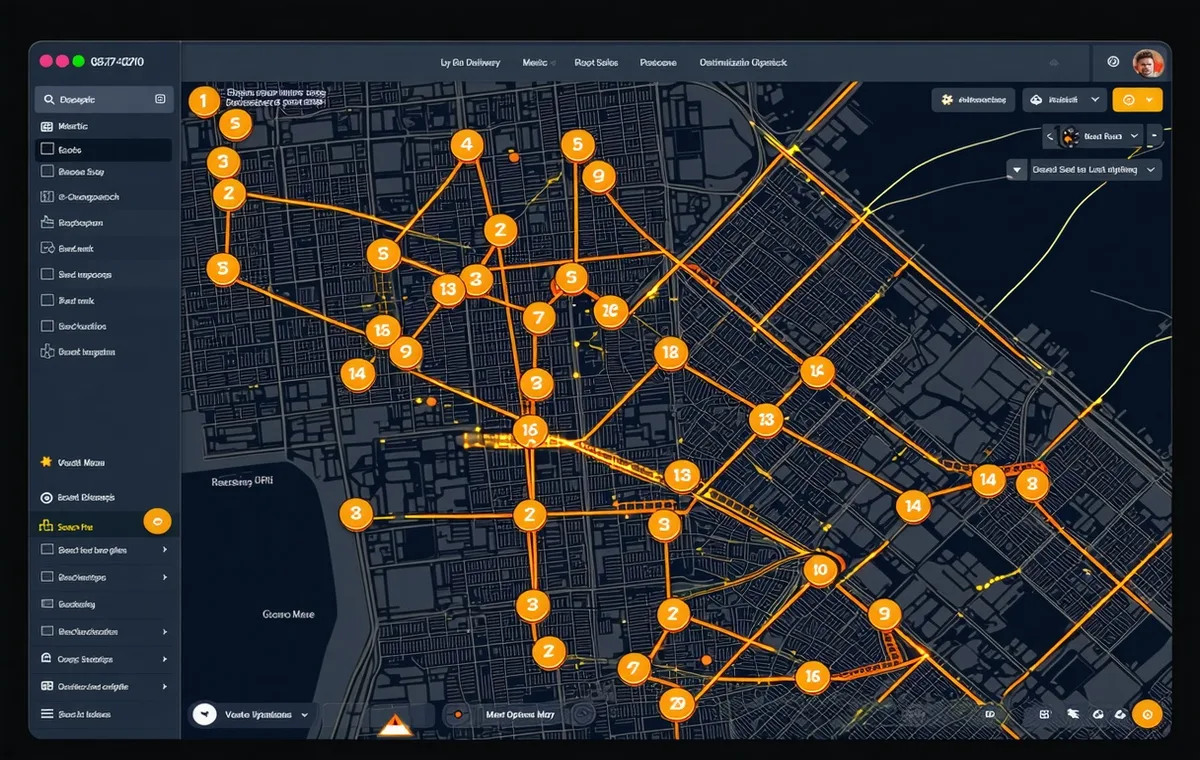
A single address exception at 6:50pm ripples across twelve stops. Manual re-sequencing can't keep up.
Dispatch teams spend 30–60 minutes per depot per day rebuilding routes by hand. That time is gone.
Each failed first-attempt stop costs $8–$17 in re-delivery plus the downstream SLA damage.
From Cutoff Trigger to Driver Update in 30 Seconds
Depot cutoff triggers re-optimization
When address exceptions, volume changes, or driver call-offs hit, Parcelarc receives the trigger event instantly via API or direct TMS integration.
Live constraints ingested
Parcelarc pulls in real-time constraints: time windows, capacity changes, driver breaks, traffic zones, and address exceptions.
New sequences pushed to drivers
Updated stop sequences are pushed directly to driver apps in under 30 seconds. No phone calls. No manual override. Drivers see the change and move.
Reduction in failed first-attempt deliveries
Re-sequencing time per depot run
Stops per depot run supported
Works with your existing stack via API or native integration
Built for Operations Teams, Not Pitch Decks
Three platform components that work together from cutoff trigger to driver confirmation.
Re-Optimization Engine
Constraint-aware, real-time computation that handles time windows, capacity changes, driver availability, and traffic zones simultaneously.
Driver App Updates
Instant sequence push to iOS and Android. Drivers see changes as they happen — no map reload, no decision required, no dispatch phone calls.
Dispatch Console
Full ops team visibility: real-time map, exception flags, sequence comparison between original and optimized routes, SLA risk indicators.
Parcelarc let us cut end-of-day re-sequences from 45 minutes to under 3. Our dispatch team finally breathes on peak days.
Connects with your existing stack
Integrates Where You Already Work
Dallas, TX
Built in Dallas. Designed for the Routes That Matter.
Talk to our team about your carrier operation. No scripted demo — a real conversation about your depot cutoff problem.
Request a Demo