Platform

The Parcelarc Platform

Four integrated components built for the operational realities of regional parcel dispatch. No separate tools to stitch together.

Core engine

Re-Optimization Engine

The engine is the core of Parcelarc. It receives trigger events, ingests the constraint set, computes a new stop sequence, and returns a sequence diff — all in under 30 seconds for depot runs up to 2,000 stops.

Constraint-aware: handles time windows, capacity, HOS, and traffic zones simultaneously
Constraint priority hierarchy configurable per depot — hard windows always honored
Sequence diff output: dispatcher sees exactly what changed before confirming push
Designed for 50–2,000 stops per depot run
Constraint Input Stack
Delivery time windows HARD
Vehicle capacity HARD
Driver HOS / availability FMCSA
Traffic zone data SOFT
Address geocoding INPUT
Driver-facing

Driver App

The Parcelarc driver app is designed around one constraint: drivers don't make decisions. They execute. When a re-optimization fires, the app updates silently. The driver sees a notification, not a prompt.
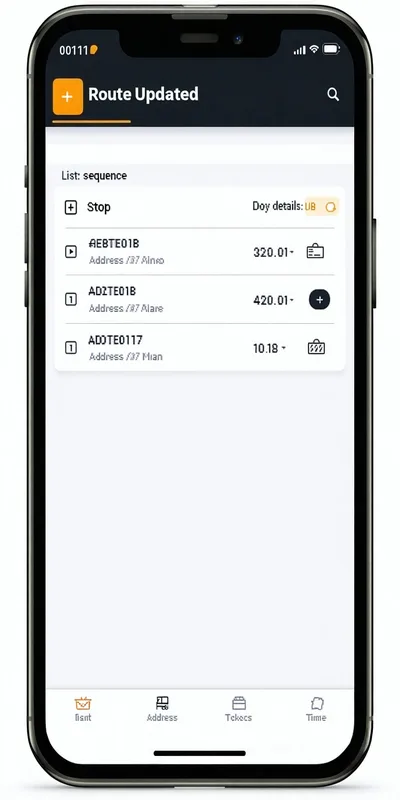
iOS and Android — same feature parity, no delayed releases
Instant sequence updates via push — no map reload, no driver confirmation required
Offline-capable — queues updates until connection restored
Proof-of-delivery capture with timestamp and signature or photo
Parcelarc driver mobile app showing updated route sequence notification on a smartphone screen
Ops visibility

Dispatch Console

The dispatch console gives ops teams full visibility into every depot run in real time. Exceptions surface immediately. The original-vs-optimized sequence diff is always visible before confirmation.
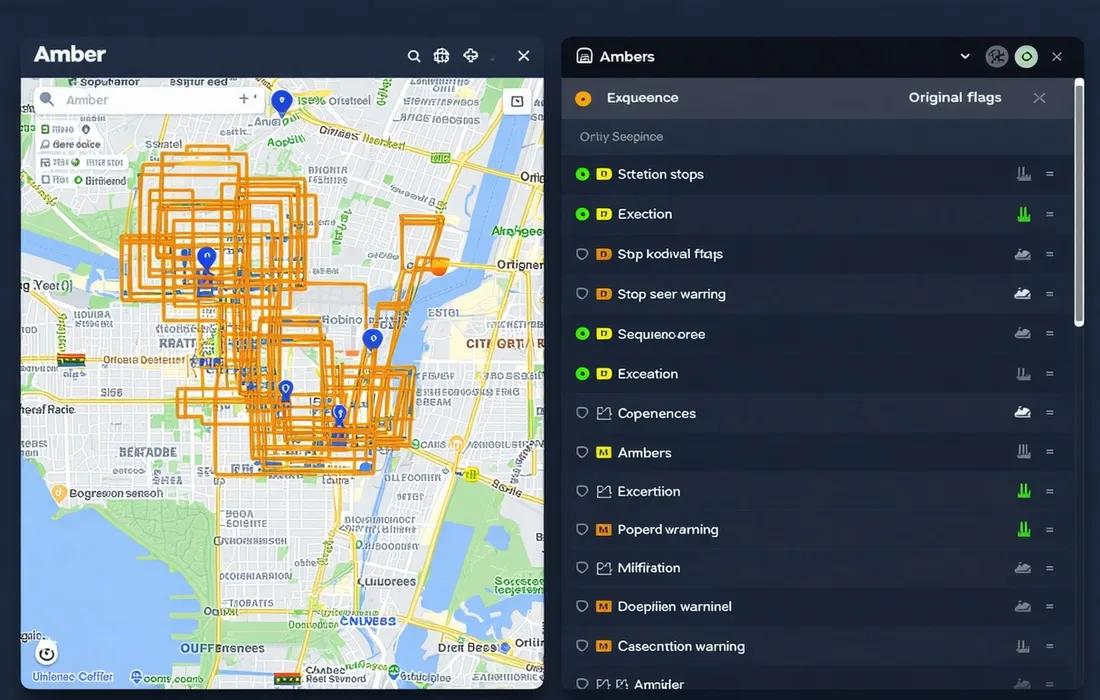
Live map showing all routes with amber exception flags
Original vs. optimized sequence comparison panel
SLA risk flags — stops at risk of missing their delivery window
Driver confirmation status for each dispatched sequence
Parcelarc dispatch console interface showing real-time route map with exception flags and sequence comparison panel
Analytics

Reporting Dashboard

End-of-day route performance data, stop-level outcomes, and re-optimization frequency metrics. Built for ops directors who need to justify the tool, not marketers who want shiny dashboards.

Daily route performance by depot: on-time %, failed stops, re-optimization count
Stop-level outcomes: time-at-stop, delivery status, exception type
Re-optimization frequency and trigger type breakdown
Exportable to CSV for TMS reconciliation and billing
Weekly performance — Depot DFW-North-4
On-time delivery rate94.2%
Failed first attempts3.1%
Re-optimizations triggered23 this week
Avg dispatch time saved41 min/day
Developer

API-First. Integrates Anywhere.

Parcelarc is designed for the carrier that already has a TMS, a WMS, and an ELD. The API lets your existing systems trigger re-optimization and receive results without changing your workflow.

RESTful API with OpenAPI 3.0 documentation
Webhooks for trigger, compute, and confirm events
Python, Node.js, and Java SDK available
SDK example — Python
# Parcelarc Python SDK
import parcelarc

client = parcelarc.Client(
 api_key="pk_live_..."
)

result = client.depots["depot-dfw-north-4"].reoptimize(
 trigger="address_exception",
 stop_ids=["S-1042", "S-1043"],
 notify_drivers=True
)

print(result.sequence_diff)
# >> {'moved': 8, 'added': 2, 'removed': 1}

See the Platform in Action

Request a demo with your actual depot configuration. We'll walk through each component against your real operational scenario.

Request a Demo