Insights on Last-Mile Operations
Operational depth for carrier ops managers, dispatch leads, and logistics engineers. Not thought leadership — practical knowledge.
Recent articles

Why Depot Cutoff Is the Hardest Problem in Last-Mile
Every carrier knows the feeling: 6:47pm, two minutes before vehicles leave, and forty addresses just changed. Here's why that moment is harder to solve than it looks — and what it costs when you don't.

Dynamic Route Re-Sequencing vs Static Route Planning: What's the Difference
Route planning decides where your vans go tomorrow morning. Re-sequencing changes where they go in the next thirty seconds. Most carriers are only doing the first one.
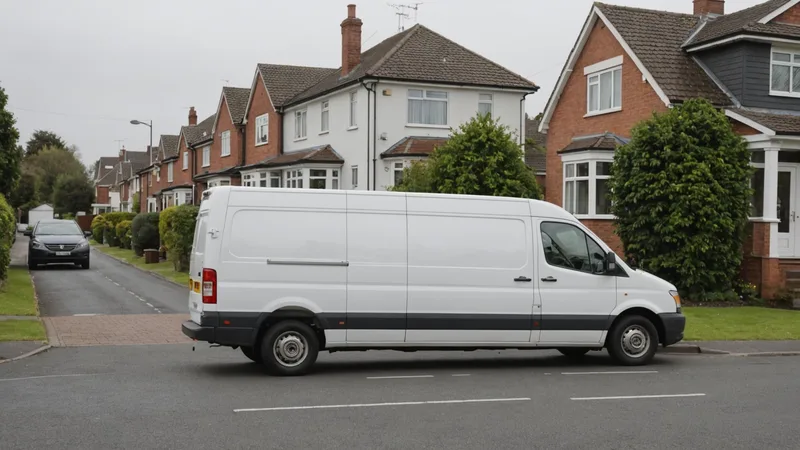
The Real Cost of a Failed Last-Mile Delivery (And How to Reduce It)
Industry estimates put failed-delivery re-attempt cost between $8 and $17 per stop. But that number misses the cascade: overtime, customer complaints, and route displacement for tomorrow.
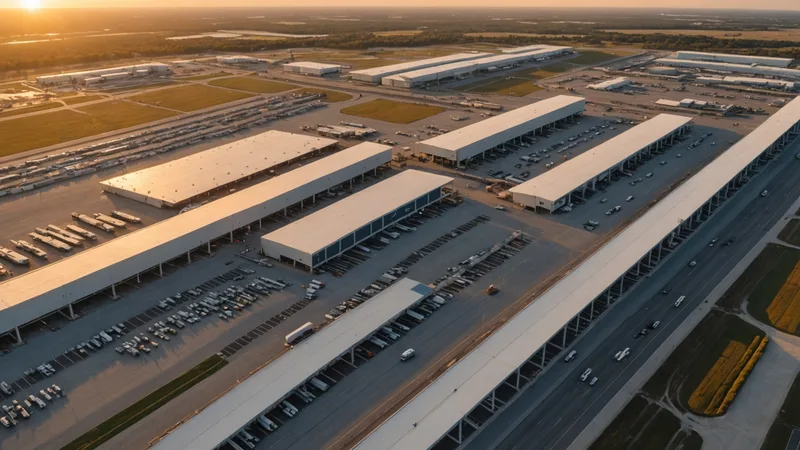
How DFW's Logistics Infrastructure Shapes Last-Mile Innovation
Dallas-Fort Worth processes more freight than almost any metro in the country. That density creates specific last-mile problems — and a concentrated community of carriers building solutions.

Driver App UX for Route Updates: What Carriers Get Wrong
A route update that arrives on a driver's phone as a full map reload is useless at 40mph. Here's the UX principle we built Parcelarc's driver app around: the driver should never have to make a decision to accept an update.

Integrating Route Optimization with Your TMS: A Practical Guide
Most TMS systems weren't built to handle real-time re-optimization events. That doesn't mean they can't. Here's how we've seen carriers successfully connect live re-sequencing to their existing stack.